
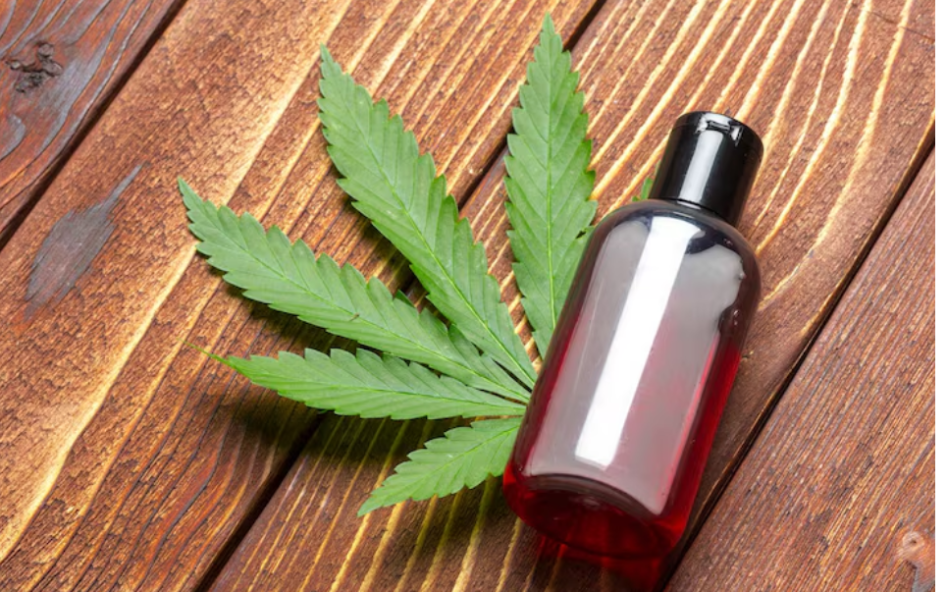
Live resin THC has become a familiar name across extract menus for its bold flavor, strong aroma, and fresh plant character. Other common terms used on labels in this category include fresh-frozen cannabis, terpenes, badder, sugar, carts, and disposables. Those names make more sense once you see what happens during extraction.
In comparison to many extracts, which use dried material, live resin uses newly harvested cannabis that is frozen immediately. Quick-freezing preserves cannabinoids and aromatic compounds related to scent, taste, and profile. A more detailed examination of extraction methods can shed significant light on the popularity of live resin.
Information on freezing, concentrate textures, and product format may also help you relate category labels to real product qualities. Clear details reveal how a single process can shape flavor, aroma, and the final product style. This article discusses the extraction process, flavor profile, product forms and the major characteristics of live resin THC.
Extraction Process Behind Live Resin THC
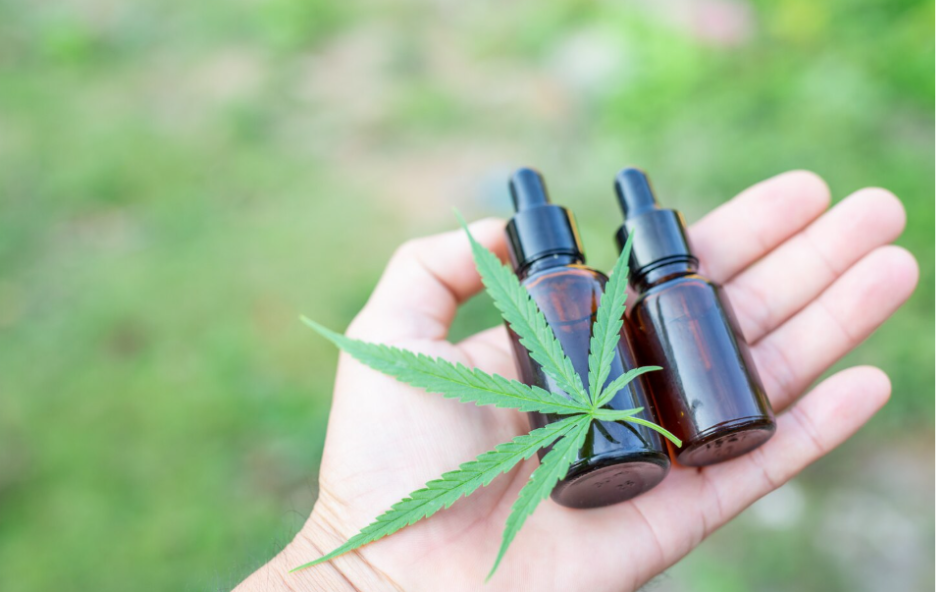
Many of the attributes of live resin THC are formed through extraction. The processing steps, fresh-frozen procedures, and concentration forms explain how its flavor, texture, and product identity originated.
Fresh Frozen Cannabis Method
Live resin THC undergoes a different procedure compared to most of the traditional extracts. Rather than drying and curing before extraction, freshly harvested cannabis is frozen shortly after harvest. The early freezing preserves compounds that may alter over time and under heat and air.
Two important parts of that profile include cannabinoids and terpenes. Terpenes contribute to aroma, flavor, and strain identity, whereas cannabinoids shape overall concentrate character.
Also, fresh freezing seeks to retain additional qualities closer to their original form. That approach helps explain why live resin often connects with deeper flavor and stronger scent. The presence of citrus aromas, as well as earthy, sweet, and fuel-like aromas, may be more prominent when terpene character is maintained.
A lot of the identity of live resin begins with this initial handling process.
Processing Steps Behind Live Resin
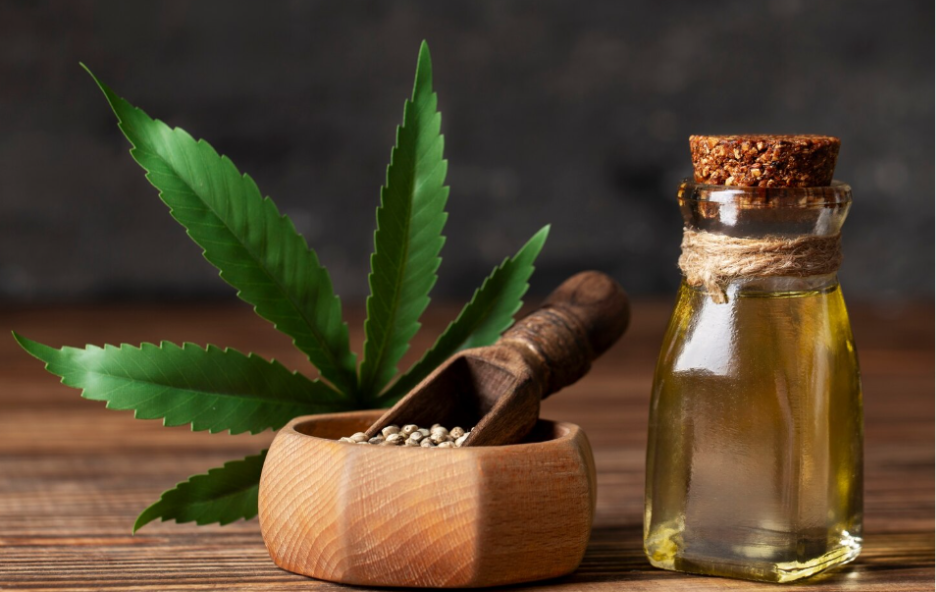
The extraction process includes several interconnected steps that determine the final concentrate.
Core steps often include:
-
Fresh cannabis goes into freezing soon after harvest
-
Extraction methods that separate desired compounds from plant material
-
Refinement steps that influence texture, aroma, and consistency
-
Production choices that affect appearance and final concentrate form
Even small changes in processes can make observable product differences. One of these alternatives can be creamy and soft. A different texture can appear dense, sticky, smooth, or grainy.
The other significant element of concentrate identity is texture. Labels like badder, sugar, crumble, and hash reflect more than creative naming. Each style holds unique characteristics in handling, appearance, and consistency patterns related to the extraction options.
Processing basics can also make concentrated labels easier to interpret. Words that seemed random begin to relate to real product features, sensations, and extraction techniques.
Final Concentrate Forms
Live resin does not exist in a single form. Several formats diversify how you search and how you focus categories.
Common options include:
-
Carts — Portable vape formats designed for quick access
-
Disposables — Compact formats with ready-to-use convenience
-
Badder — Softer concentrate texture with a creamy feel
-
Sugar — Grainier texture with a crystal-like structure
-
Hash styles — Concentrated formats with distinct texture traits
-
Larger quantity formats — Higher gram counts and bulk style options
Every format offers various options for texture, packaging, and style of use. The production method has an impact beyond flavor. Extraction details relate to the final appearance, consistency, and category type.
Appeal Behind Live Resin THC

The extraction method describes the production of live resin THC, whereas flavor, aroma, and product formats largely drive its popularity. Those attributes help distinguish different concentrates in extract menus.
Flavor and Aroma Profile
One of the primary causes of live resin THC popularity is flavor, and the extraction technique helps to develop that flavor.
Fresh frozen cannabis is useful in preserving compounds associated with taste and smell. Terpenes give a large portion of that character due to their influence on aroma, flavor, and strain profile. Rich aroma, layered flavor, and stronger plant identity often connect with terpene retention.
There is a wide range of tastes among products. One profile can be sweet or fruity inclined. Another option may bring earthy depth, sharp citrus, herbal notes, or bold fuel character. Their differences establish a more extensive range of flavor in a single line of concentrate.
Aroma is also an additional element to that experience. Expectations can be formed by the scent even before the flavor comes into play. Powerful aroma is a common feature of live resin, and it can become a distinctive feature of various extract menus.
Flavor appeal grows stronger when aroma, taste, and plant character stay closely connected. A lot of the live resin THC interest can be traced to that relationship.
Product Formats Across Menus
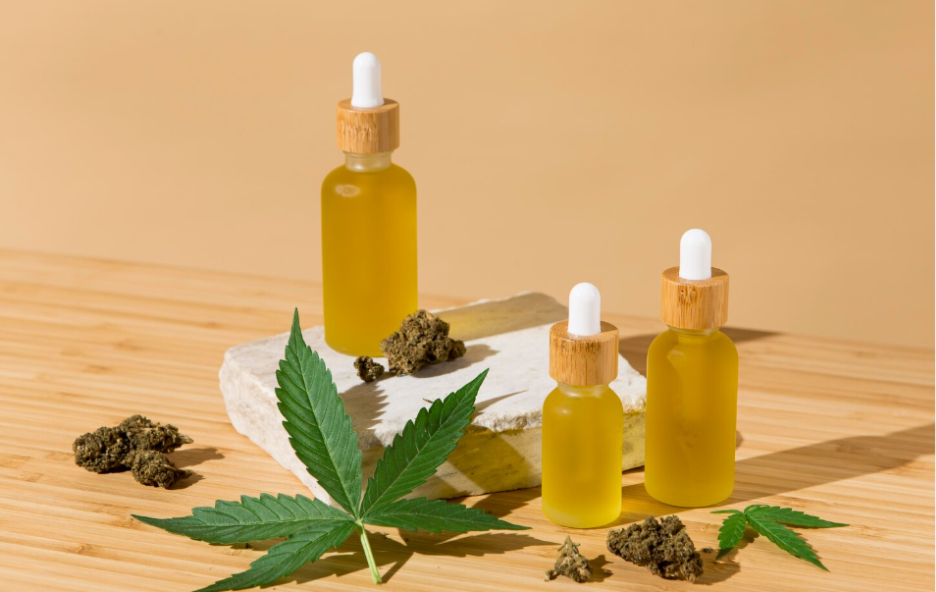
Appeal also grows from variety across product formats. Live resin reaches beyond one texture or one device style.
You may find live resin across:
-
Vape carts
-
Disposable devices
-
Badder concentrates
-
Sugar concentrates
-
Hash styles
-
Premium texture variations
Each format offers a different balance of portability, texture, and concentrate style. A compact vape option creates one experience. A textured jar format creates another.
Format range adds flexibility to the category. Product exploration can feel broader when one extraction style appears across multiple forms. Menus filled with carts, disposables, sugar, badder, and concentrate blends show how widely live resin can extend across extract selections.
Distinct Traits Behind Live Resin Interest
Live resin THC attracts attention through several connected qualities.
Key factors include:
-
Fresh frozen extraction approach
-
Terpene-rich flavor profile
-
Strong aroma presence
-
Texture variety
-
Broad product selection
-
Multiple concentrate formats
Fresh freezing creates one important layer of that appeal. Flavor depth adds another. Diverse formats strengthen category reach even further.
Extraction context can also change how you view concentrate labels. Terms like sugar, badder, carts, hash, and disposables become easier to connect with actual concentrate traits once the extraction method enters the picture.
Production details no longer feel distant or overly technical when flavor, texture, and format differences tie directly to process choices. That connection helps explain much of live resin’s continued visibility across concentrate menus.
Bottomline
Live resin THC stands apart through an extraction process that uses freshly harvested cannabis placed into freezing soon after harvest. That early step helps preserve cannabinoids and terpene-rich qualities tied to flavor, aroma, and overall profile. Extraction choices also shape texture, appearance, and final concentrate form.
Flavor depth, strong scent, and broad format variety all support live resin appeal. Carts, disposables, badder, sugar, and hash reflect different outcomes from related production methods.
A better understanding of extraction can make labels easier to interpret and connect product names with real traits linked to flavor, texture, and concentrate style.
