
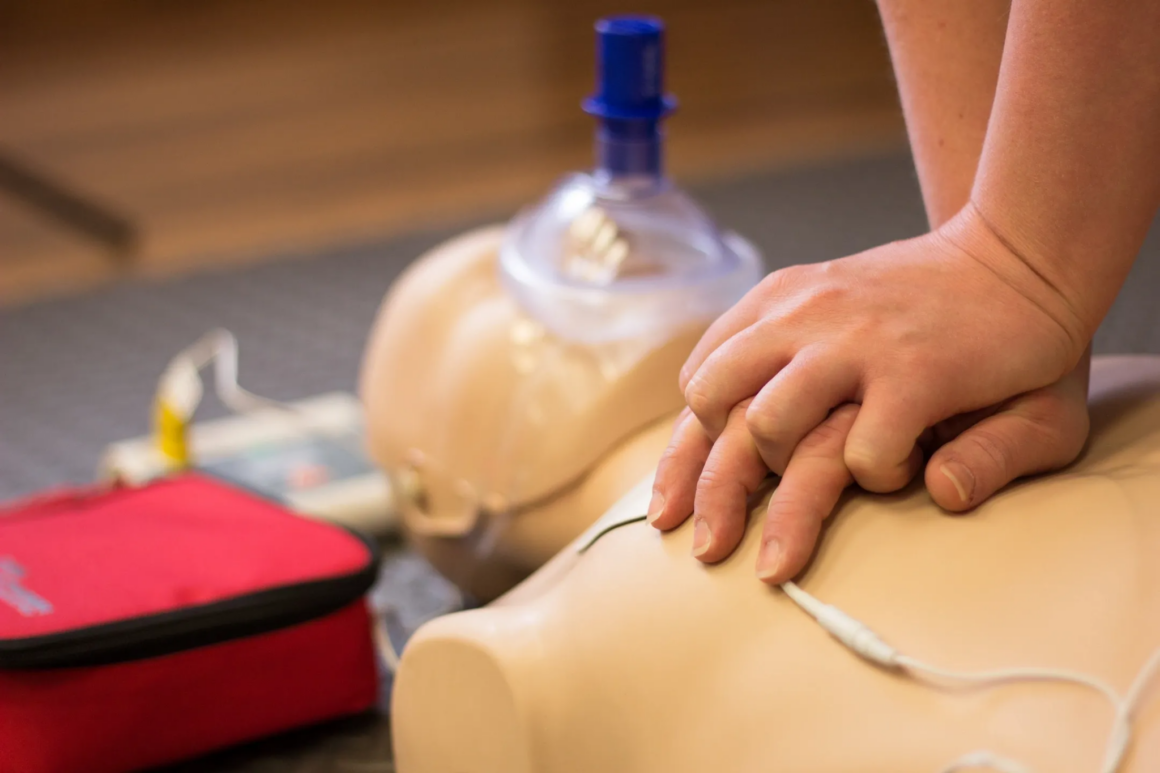
Every year, thousands of Canadians experience a cardiac arrest outside of a hospital. A bystander who knows CPR can make the difference between life and death — and that bystander could be you, your coworker, or your manager. If you’ve been thinking about getting certified, Coast2Coast CPR Certification Brampton is one of the most practical things you can do this year.
But why are so many people in Brampton — especially those in the workforce — making this move right now? There are a few good reasons.
What’s Driving the Surge in CPR Certification?
Brampton is one of the fastest-growing cities in Ontario. It’s also one of the most industrially active — home to major logistics hubs, warehousing operations, manufacturing facilities, and a dense web of transportation corridors. These are environments where workplace accidents and medical emergencies happen. And under Ontario’s Occupational Health and Safety Act, employers have a responsibility to ensure workers can respond to emergencies on site.
WSIB data consistently shows that cardiac events, choking incidents, and sudden injuries are among the most common causes of serious workplace harm. When trained responders are present, survival rates improve and the severity of outcomes drops. That’s not theory — it’s documented, repeatedly, across industries.
So yes, compliance plays a role. But it’s not the only driver.
It’s Not Just About the Workplace
Here’s the thing a lot of people don’t think about until it’s too late: emergencies don’t clock out when you do.
Cardiac arrests happen at backyard barbecues, at kids’ soccer games, in grocery store aisles, and in apartment lobbies. According to the Heart & Stroke Foundation, approximately 40,000 cardiac arrests happen outside of hospital settings in Canada each year. Survival rates drop by around 10% for every minute that passes without CPR.
Most people who witness a cardiac arrest freeze — not because they don’t care, but because they don’t know what to do. CPR certification changes that. It replaces panic with a clear, practised response. And that matters more than most people realize until they’re standing in that moment.
What Does a CPR/AED Certification Course Actually Cover?
A standard CPR/AED Level C course teaches you how to:
- Recognize when someone is in cardiac arrest
- Perform effective chest compressions on adults, children, and infants
- Deliver rescue breaths correctly
- Use an AED (automated external defibrillator) — those yellow machines you see mounted in malls, arenas, and offices
- Handle choking in adults and children
- Manage an unconscious casualty until help arrives
The Level C designation means the course covers all age groups, making it the most complete and widely accepted standard for both workplace requirements and general preparedness.
Many providers also offer blended learning — you complete the theory online at your own pace, then attend a hands-on skills session in person. The full certification takes a matter of hours, not days.
Why Does WSIB Care About CPR Certification?
Under Ontario’s OHSA framework, employers in certain industries are required to have trained first aid providers on site at all times during working hours. The specific requirements depend on the number of workers present and the nature of the work being done.
For Brampton businesses in logistics, warehousing, manufacturing, and transportation — sectors that dominate the local economy — first aid and CPR certification isn’t optional. It’s a compliance requirement. Non-compliance can result in WSIB penalties, increased liability exposure, and worse outcomes when an incident actually occurs.
But even for businesses where it isn’t strictly mandated, the cost of a certification course is trivially small compared to the cost of a preventable death or serious injury on your watch.
How Long Does Certification Last?
CPR/AED Level C certification is valid for one year in Ontario. Standard First Aid certifications last three years. Many workplaces build annual CPR renewals into their onboarding and HR calendars — it takes less time than most team meetings and gives employees a skill that carries far outside the four walls of the office or warehouse.
Recertification courses are typically shorter than initial certification, since participants are refreshing skills rather than learning them from scratch.
Who Should Get Certified?
The short answer: anyone who works around other people or wants to be prepared for life outside work.
If that still feels too broad, think about:
- Warehouse supervisors and floor managers with large teams
- HR professionals building compliant workplace safety programs
- Small business owners in customer-facing industries
- Parents, coaches, and community volunteers
- Anyone who sits near an AED and doesn’t know how to use it
You can find out more here about certification options, course schedules, and the blended learning format that makes it easier than ever to fit training into a busy life.
Getting Certified in Brampton
Courses are available at multiple times throughout the week, with both weekday and weekend options depending on availability. Blended learning means the theory portion can be done in advance, so your in-person time is focused entirely on practical skills.
If you are looking for CPR certification or first aid training near Kennedy Road South, the Queen Street corridor, or the Bramalea City Centre area, you may reach out to Coast2Coast First Aid & Aquatics in that area.
FAQS
Q: What is CPR/AED Level C certification and who needs it?
A: CPR/AED Level C is a certification course that covers CPR techniques for adults, children, and infants, as well as AED operation and choking response. It’s required for many Ontario workplaces under the OHSA and WSIB framework, and is widely recommended for anyone who wants to be prepared for cardiac emergencies in everyday life.
Q: How long does it take to complete a CPR certification course in Brampton?
A: A standard CPR/AED Level C course typically takes between four and five hours. Blended learning formats shorten the in-person component further by allowing participants to complete the theory portion online beforehand.
Q: How often do I need to renew my CPR certification?
A: CPR/AED Level C certification is valid for one year in Ontario. Most employers schedule annual renewal sessions for their teams. Recertification courses are shorter than initial certification.
Q: Is CPR training mandatory for Brampton employers under Ontario law?
A: Ontario’s Occupational Health and Safety Act requires employers to maintain first aid provisions — including trained first aiders — based on workplace size and risk level. Many Brampton workplaces in manufacturing, logistics, and warehousing are required to have certified personnel on site during all working hours.
Q: Can I take the theory portion of a CPR course online?
A: Yes. Blended learning courses allow you to complete the theoretical knowledge component online at your own schedule. You then attend a shorter in-person session to practise and demonstrate hands-on skills with a certified instructor.
