
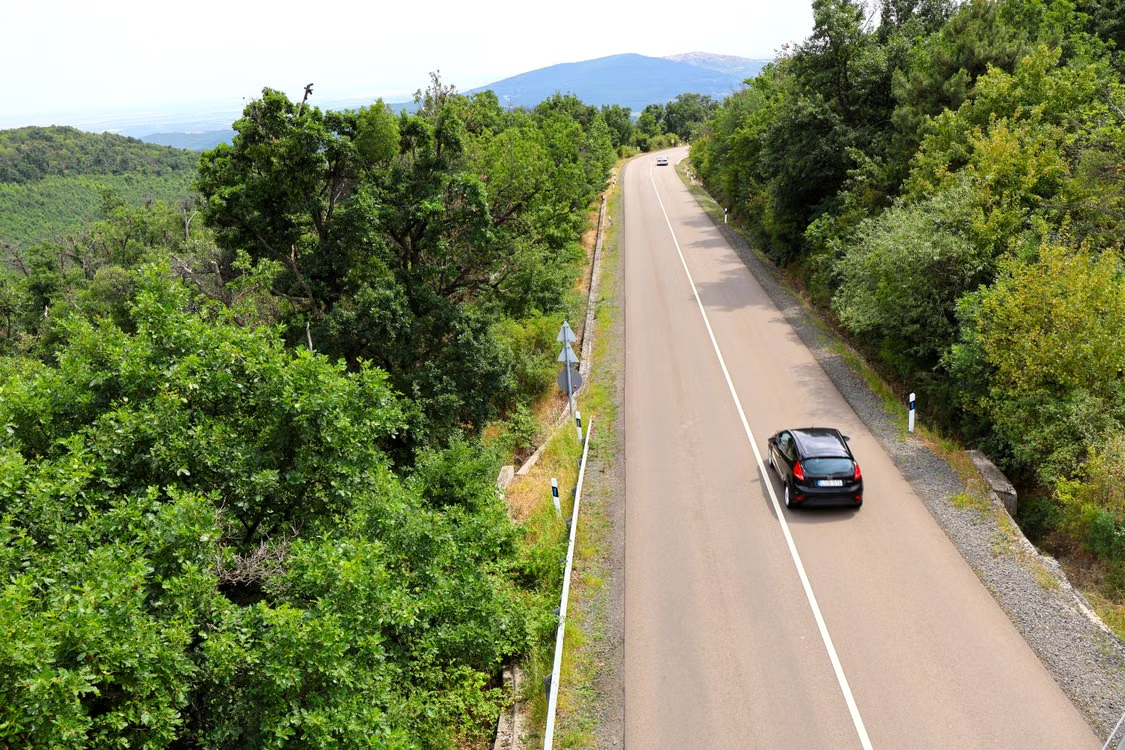
Road cameras are no longer a rarity. Today, they can capture more than just traffic violations. These tools collect data on routes, travel times, and driver behavior. This explains why demand is rising for solutions like a license plate camera blocker sticker — accessories that help drivers manage vehicle visibility in camera-based environments. Understanding how cameras work and what happens to the data they collect is useful for anyone who regularly drives.
How Roadside Video Surveillance Systems Work
Roadside cameras work in conjunction with license plate recognition software. An algorithm reads characters, compares them with databases, and records the results in a fraction of a second. Such systems are installed at traffic lights, city entrances, parking lots, and even at shopping mall entrances.
It’s important to understand that not all of these cameras are government-owned. Private companies may also use license plate recognition systems for commercial purposes, parking management, and traffic monitoring. The data they collect can be stored for years and shared under different policies. This is a serious question that drivers are increasingly asking.
What Happens to Your Car Data
A license plate is a unique identifier. It can be used to reconstruct the route a vehicle took, how often it is visited, and build a detailed profile of the vehicle owner. However, most drivers don’t even realize how many data collection points they pass through in a typical day.
The issue of secure storage and protection of digital data is relevant today not only for companies but also for individuals. Vehicle information is part of this problem. Being mindful of the digital footprint you leave behind in public spaces is becoming an essential skill for modern people.
What Data Control Solutions Are Available?
The market offers several product categories that allow drivers to control how their license plates appear in external systems. Each option operates according to its own principle and is suitable for different use cases. Some of the most popular solutions today include:
- nano-coated anti-radar stickers;
- polarizing frames with angle filters;
- blackout systems for managing plate visibility;
- remote-controlled electronic flippers;
- protective films with optical properties;
- frameless holders with anti-reflective coating.
The selection of a particular tool depends on several factors, such as license plate format, climate conditions, and local legislation. Before buying it, it’s important to make sure the product has been tested in the real world, not just listed on the manufacturer’s website.
Modern monitoring and protection technologies are used not only for vehicles but also in all areas. Statista data shows this broader trend. For example, in 2024, smart home monitoring and security devices formed the second-largest segment in the connected-home market by shipment volume, estimated at 244 million units.
Key Criteria for Choosing the Right Accessory
The quality of vehicle-visibility products on the market varies enormously. Some of them actually interfere with license plate reading by cameras, while others mainly create the appearance of reliability. Without technical knowledge, this can be difficult to understand, so it is important to focus on trusted manufacturers.
Alite Hub is a company that specializes in anti-radar and frameless license plate solutions. Its line includes nano-coatings, blackout systems, and flippers for various formats. All products are focused on practical use, not marketing promises.
A separate issue is the legal aspect. The use of certain devices is regulated differently by country and region, so drivers should check local rules before choosing any vehicle-visibility product. Being informed in advance is always a good idea.
Conclusion
Road surveillance systems will continue to evolve, especially as debates around license plate readings and public data continue to grow. However, this doesn’t mean that drivers are completely deprived of any control over the situation.
Understanding how cameras work, what data they collect, and what tools exist to control this process is already a significant advantage. Technology offers choice. What matters most is to use it wisely.
