
Safe equipment maintenance plays a critical role in industrial productivity, worker protection, and operational reliability. Manufacturing plants, energy facilities, food processing centers, warehouses, and transportation sectors all rely on machinery that must function consistently under demanding conditions. Without effective maintenance practices, organizations face increased risks of equipment failure, production downtime, workplace injuries, and regulatory violations.
Modern industries are increasingly adopting advanced maintenance strategies that combine preventive planning, digital monitoring, specialized cleaning techniques, and improved safety procedures. These methods help reduce accidents while extending equipment lifespan and improving efficiency. Regulatory agencies such as the Occupational Safety and Health Administration (OSHA) and international safety organizations emphasize structured maintenance systems because poorly maintained equipment is one of the leading causes of industrial incidents.
As industrial systems become more automated and technologically complex, maintenance approaches must evolve accordingly. Companies are no longer relying solely on reactive repairs after breakdowns occur. Instead, they are implementing predictive and condition-based maintenance programs designed to identify issues before they become dangerous or expensive.
Preventive Maintenance as a Safety Foundation
Preventive maintenance remains one of the most effective methods for ensuring equipment safety. This approach involves scheduled inspections, servicing, lubrication, calibration, and replacement of worn components before failures occur. Preventive maintenance reduces the likelihood of sudden breakdowns that could endanger workers or damage surrounding infrastructure.
Maintenance schedules are typically based on manufacturer recommendations, operating hours, environmental conditions, and historical equipment performance. Proper documentation is essential because it allows maintenance teams to track recurring issues and identify patterns that may indicate deeper mechanical problems.
Preventive maintenance also supports compliance with safety standards. Many industries must meet strict operational guidelines regarding pressure systems, electrical components, ventilation systems, and emergency shutdown mechanisms. Regular inspections help verify that these systems remain functional and compliant.
Organizations that prioritize preventive maintenance often experience lower repair costs over time because minor issues can be corrected before escalating into catastrophic failures. In addition, reliable equipment contributes to stable production output and reduced operational interruptions.
Predictive Maintenance and Real-Time Monitoring
Predictive maintenance has transformed industrial safety by allowing companies to monitor equipment conditions continuously through advanced sensors and digital technologies. Instead of relying only on fixed maintenance schedules, predictive systems analyze real-time data to determine when servicing is actually needed.
Sensors can monitor vibration, temperature, pressure, lubrication quality, acoustic emissions, and electrical performance. Artificial intelligence and machine learning systems then evaluate these measurements to detect abnormalities that may indicate component wear or system instability.
For example, unusual vibration patterns in rotating machinery may suggest bearing deterioration, shaft imbalance, or alignment issues. Identifying these conditions early allows technicians to intervene before the equipment fails unexpectedly.
Predictive maintenance offers several safety advantages. It minimizes emergency repairs, reduces worker exposure to hazardous failures, and helps maintenance teams plan interventions under controlled conditions. This approach is especially valuable in high-risk industries such as chemical processing, mining, aviation, and power generation.
Remote monitoring systems also improve safety in hazardous environments where direct human inspection may expose workers to extreme temperatures, toxic substances, or confined spaces. By collecting operational data remotely, organizations can reduce unnecessary physical interaction with dangerous equipment.
Lockout and Tagout Procedures
One of the most important maintenance safety practices is the implementation of lockout and tagout procedures. These procedures are designed to prevent accidental equipment startup during maintenance or servicing activities.
Lockout systems isolate energy sources such as electricity, hydraulic pressure, compressed air, steam, or mechanical motion. Once isolated, locking devices secure the energy controls in an off position. Tagout labels then provide visible warnings indicating that maintenance work is in progress.
Failure to control hazardous energy can result in severe injuries, including electrocution, crushing incidents, burns, and amputations. Proper lockout and tagout procedures significantly reduce these risks by ensuring that equipment remains completely de-energized until maintenance tasks are completed safely.
Training is essential for effective implementation. Workers must understand the specific energy sources associated with each machine and follow standardized isolation procedures consistently. Periodic audits and refresher training sessions help maintain compliance and reinforce safe behaviors.
Advanced Cleaning Technologies for Equipment Safety
Industrial cleaning is another critical aspect of safe equipment maintenance. Dirt, grease, dust, chemical residue, and corrosion can compromise equipment performance and create safety hazards if not addressed properly.
Advanced cleaning methods now allow organizations to maintain equipment more efficiently while minimizing environmental impact and operational disruption. One increasingly popular technique is dry ice blasting, which uses solid carbon dioxide pellets to remove contaminants from machinery surfaces without damaging sensitive components.
Unlike abrasive cleaning methods, this process produces minimal secondary waste because the dry ice sublimates directly into gas after impact. This makes it particularly useful in industries where cleanliness standards are strict, such as food processing, electronics manufacturing, and pharmaceutical production.
Advanced cleaning systems can also reduce maintenance downtime because equipment often requires less disassembly during the cleaning process. In addition, non-conductive cleaning methods help improve electrical safety when servicing sensitive machinery.
Maintaining clean equipment contributes directly to operational safety. Excess contamination can interfere with cooling systems, block ventilation pathways, increase friction, and accelerate wear. By implementing advanced cleaning practices, facilities can reduce fire hazards, improve system reliability, and maintain safer working conditions.
The Role of Specialized Gas Systems in Maintenance
Industrial maintenance frequently involves the use of compressed gases for welding, cooling, calibration, leak detection, and cleaning operations. Proper management of these gas systems is essential for worker safety and equipment protection.
Facilities often work with an industrial gas supplier to ensure that gases are stored, transported, and handled according to established safety standards. Improper gas handling can lead to leaks, explosions, oxygen displacement, or chemical exposure incidents.
Modern gas safety systems include automated leak detection sensors, pressure regulators, ventilation systems, and emergency shutoff controls. Maintenance personnel must also receive training on cylinder handling procedures and hazard communication requirements.
Some industries use inert gases during maintenance to prevent combustion or contamination in sensitive environments. Others rely on specialized gas mixtures for calibration and testing purposes. In all cases, careful monitoring and adherence to safety protocols are essential.
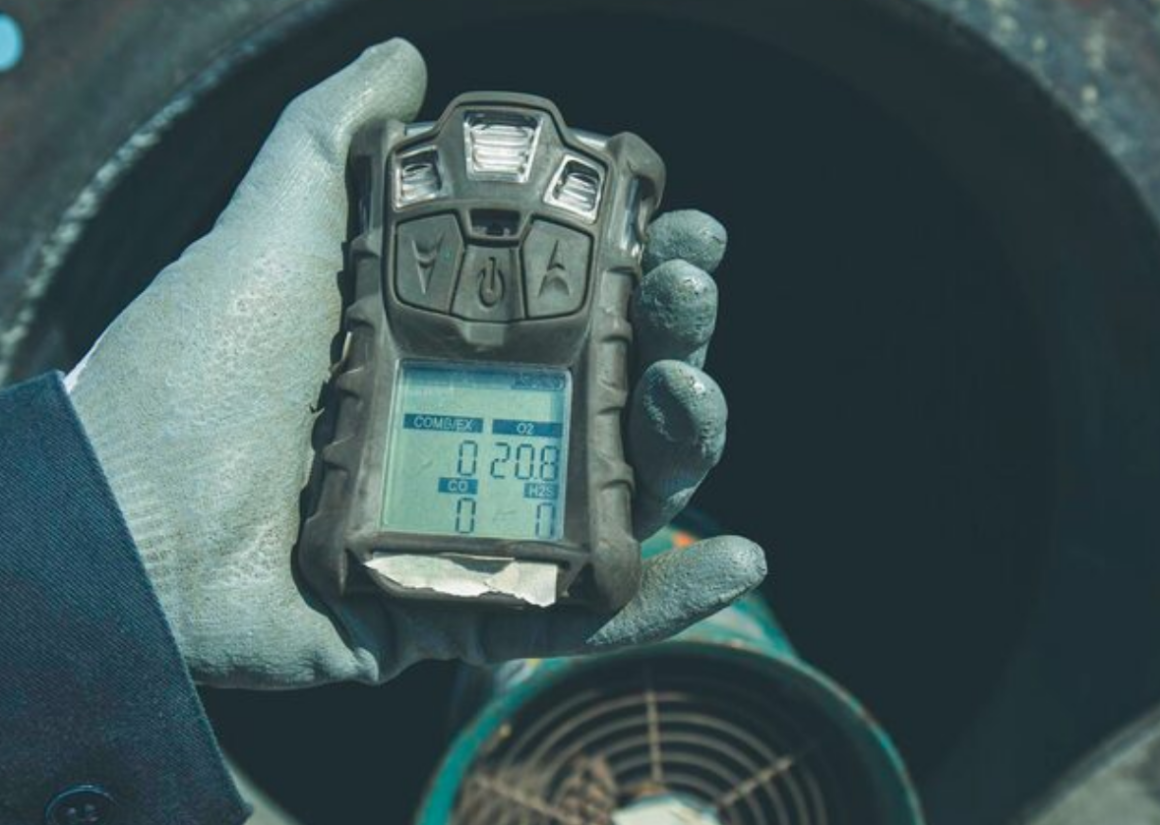
Safe gas management is particularly important in confined spaces where gas accumulation can rapidly create hazardous conditions. Continuous atmospheric monitoring and proper ventilation are necessary to protect workers during maintenance operations.
Robotics and Automation in Maintenance Operations
Automation and robotics are becoming increasingly important in equipment maintenance, especially in environments that present significant safety risks. Robotic inspection systems can enter confined spaces, inspect pipelines, examine elevated structures, and perform repetitive maintenance tasks with minimal human exposure.
Drones are now commonly used for inspecting storage tanks, power lines, bridges, and industrial roofs. These technologies reduce the need for workers to operate at dangerous heights or in unstable environments.
Automated maintenance systems can also perform lubrication, cleaning, and diagnostic procedures with high precision. This improves consistency while reducing the likelihood of human error.
Collaborative robots, often called cobots, are designed to work alongside human technicians during maintenance activities. These systems can assist with lifting heavy components, handling hazardous materials, or performing repetitive tasks that may contribute to worker fatigue.
As robotics technology continues to evolve, maintenance operations are expected to become safer, faster, and more efficient across a wide range of industries.
Training and Safety Culture
Even the most advanced maintenance technologies cannot fully protect workers without proper training and a strong organizational safety culture. Employees must understand operational risks, emergency procedures, and the correct use of maintenance tools and protective equipment.
Continuous training programs help workers stay updated on evolving technologies and regulatory requirements. Simulation-based learning, virtual reality training, and digital safety modules are increasingly used to improve hazard recognition and emergency response capabilities.
A strong safety culture encourages employees to report equipment issues, unsafe conditions, and near-miss incidents without fear of retaliation. Open communication helps organizations identify weaknesses before accidents occur.
Leadership commitment is equally important. Companies that prioritize maintenance safety through investment, planning, and accountability often experience lower injury rates and improved operational performance.
Future Trends in Equipment Maintenance Safety
The future of safe equipment maintenance will likely involve greater integration of artificial intelligence, digital twins, and advanced analytics. Digital twin technology creates virtual models of physical equipment, allowing engineers to simulate performance, predict failures, and optimize maintenance schedules in real time.
Artificial intelligence systems will continue improving fault detection accuracy and maintenance planning efficiency. Wearable technologies may also become more common, helping monitor worker fatigue, environmental hazards, and physical stress during maintenance operations.
Sustainability considerations are expected to influence maintenance strategies as well. Companies are increasingly seeking environmentally responsible cleaning methods, energy-efficient maintenance practices, and waste reduction initiatives.
As industries continue embracing automation and smart technologies, maintenance operations will become more proactive and data-driven. However, the core objective will remain the same: protecting workers while ensuring that equipment operates safely, reliably, and efficiently over the long term.
