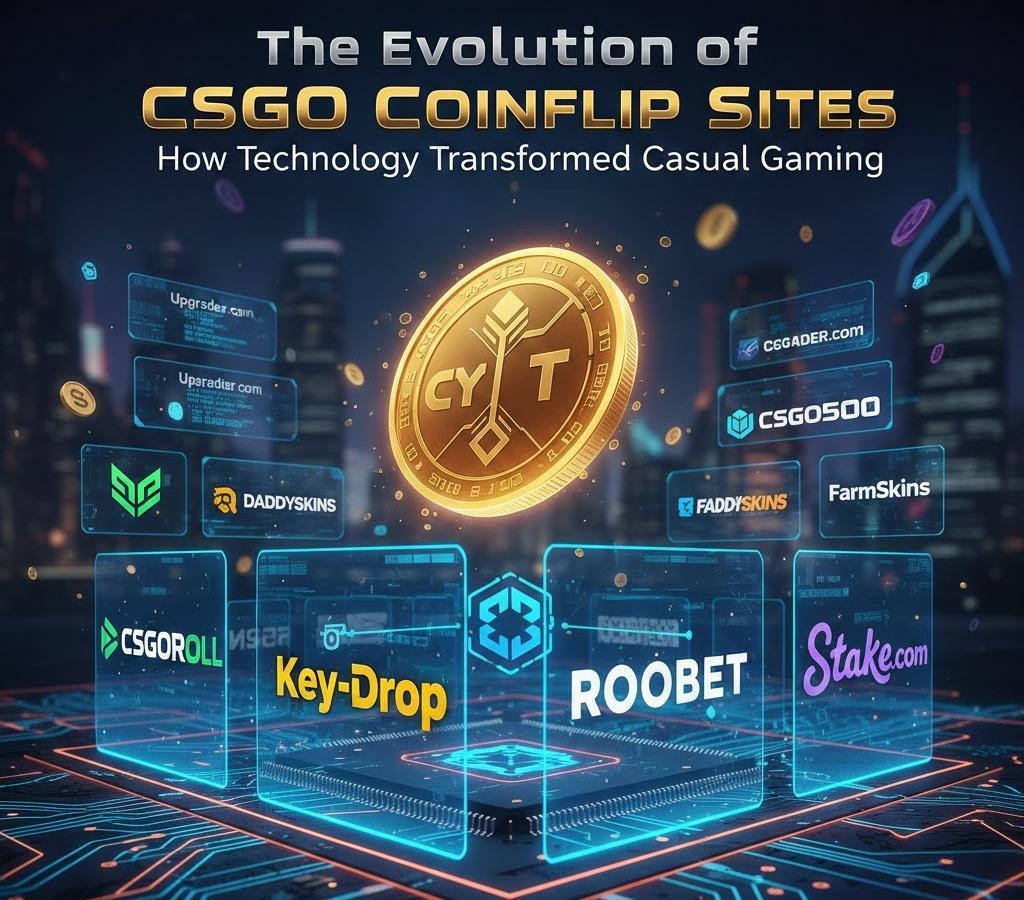
If you’ve ever played Counter-Strike: Global Offensive, you know it’s way more than just a shooter. People spend hours perfecting their aim, climbing ranks, and hunting for those rare skins that make their weapons look straight-up legendary. But somewhere along the way, the game got a whole other layer: gambling. Yep, skins turned into virtual currency, and suddenly players weren’t just competing, they were betting.
That’s where CSGO coinflip sites come in. Basically, you throw your skins into the pot, flip a virtual coin, and see if luck’s on your side. It’s simple, fast, and surprisingly addictive. What started as tiny fan-run sites quickly blew up into a full-on phenomenon, with players chasing that rush of winning big, or losing everything in seconds.
In this article, we’re diving into how these coinflip sites evolved. From their humble, chaotic beginnings to the slick, tech-driven platforms we see today, we’ll explore how technology reshaped casual gaming and turned a simple coin toss into a digital thrill ride.
The Birth of CSGO Coinflip Sites
If you were around in the early days of CSGO, you know the game wasn’t just about headshots or bomb plants, it was about skins. And I’m not talking about the boring gray guns everyone ignores. We mean those flashy, rare, “holy-crap-this-is-expensive” skins that made your AK-47 glow like it belonged in a sci-fi movie.
People quickly realized that these skins weren’t just cosmetics, they were money. And, as you might expect, where there’s money, people start gambling. That’s how coinflip sites came to life: a mix of luck, adrenaline, and the thrill of “could I actually double my skin in 30 seconds?”
Early Gambling Culture in CSGO
Before websites even existed, players were already inventing ways to bet their skins. It was chaotic, messy, and exciting as hell. Here’s how it went down:
- Skins became a currency: Some skins were so rare that people were paying hundreds or even thousands of dollars just to get them. Naturally, the rarer the skin, the more thrilling it was to risk it in a bet.
- Friendship bets: People would wager skins on literally anything. Examples: “I bet my StatTrak M4 against your Karambit.” “If I win this 1v1, you owe me your knife.” “Who can get a better drop in this casual match?” The bets weren’t just about money, they were bragging rights, status, and sometimes revenge on friends.
- Forum experiments: Before any coinflip site existed, Reddit and Steam groups became mini gambling hubs. Players traded skins to bet on matches, coin flips, or drops. Screenshots of wins and losses were posted everywhere, fueling excitement and community hype.
- The addictive thrill: Winning a $20 skin could turn into a $300 skin in a single flip. Losing? Well… let’s just say people learned quickly that adrenaline and regret go hand-in-hand.
The early culture was all about chaos, social bragging, and chasing that “big win” high. It wasn’t safe, it wasn’t organized, but it was electric.
First Coinflip Platforms
Once players realized there was serious potential, the first proper coinflip sites popped up. And man, they were ugly, glitchy, and barebones, but that didn’t stop anyone from flocking to them.
- The mechanics: Simple. Two players put in skins of roughly equal value, a virtual coin flips, and the winner takes everything. That’s it. No complicated rules, no loyalty points, just pure adrenaline.
- Ugly UIs, huge hype: Most early sites looked like they were built in a weekend. Clunky buttons, bad layouts, and zero mobile support were the norm. But players didn’t care, what mattered was that flip, that moment, that rush.
- Community-driven growth: These sites didn’t advertise. They relied on word-of-mouth. Someone wins a huge skin? Screenshot goes on Reddit or a Steam group. Friends tell friends. The hype spreads like wildfire.
- Social experience: Winning wasn’t just about the skin. It was about the story. “Dude, I just flipped a Dragon Lore AWP and won!” People shared wins, losses, and horror stories. The drama was part of the fun, and the community thrived on it.
Think of these early sites like campfires in the wild west, messy, unpredictable, but everyone wanted to gather around.
Legal and Ethical Ambiguity
Of course, all that chaos had consequences. These sites were operating in a gray zone, and the rules were basically “don’t get caught.”
- No age checks: Kids as young as 12 were getting in. Sites didn’t care; most weren’t even thinking about regulation.
- Zero oversight: There were basically no laws for digital skin gambling. Players were free to bet, but also free to get scammed.
- Scams and shady sites: Some sites disappeared overnight, taking thousands of dollars worth of skins with them. Others rigged coin flips or delayed payouts. Trust was everything, and easy to lose.
- High-risk, high-reward culture: Despite all this, people kept coming back. The adrenaline, the social hype, and the chance to win a rare skin kept them hooked. One minute you could be broke, the next minute you could flip the coin and hit a $300 prize. That uncertainty? Pure thrill.
The early coinflip scene was messy, risky, and addictive. It was like the wild west of gaming, exciting, dangerous, and completely unregulated. But without this chaos, the later tech-driven, sleek coinflip sites probably wouldn’t exist.
Technology as a Game-Changer
After the messy, chaotic early days of coinflip sites, clunky websites, random server crashes, shady flips, technology stepped in and completely reshaped the scene. What had been a risky, unpredictable hobby became faster, slicker, fairer, and, honestly, way more addictive. Technology didn’t just improve these sites, it made them feel alive, exciting, and almost impossible to ignore.
Automation and Randomization
Back in the early days, coin flips weren’t always fair. Some sites used basic scripts or even manual flipping, which meant that shady operators could rig results, servers would crash mid-flip, or players could get frustrated for no reason. That’s when automation and RNGs (Random Number Generators) changed the game.
- Fairness finally arrived: RNGs made coin flips truly random, or at least verifiably random. Players could finally trust that their $300 skin wasn’t being stolen behind the scenes. Suddenly, flipping a coin felt like a legitimate game of chance rather than a sketchy bet with a stranger online.
- Handling massive crowds: Automation allowed sites to handle thousands of players at once. Before, sites often crashed when a rare skin was on the line. With automated servers and proper back-end tech, those crashes became rare, and everyone could play without downtime.
- Transparency and trust: Some platforms even displayed the RNG results or allowed users to verify them. Suddenly, players could see that the flip wasn’t rigged. This created trust, which is huge when real money, or rare skins, is involved.
- Round-the-clock flipping: Automation meant games were always live. No need to wait for an operator to log in. The adrenaline could happen any time, day or night, which kept users coming back constantly.
Automation didn’t just make sites “work better”, it made them feel alive, always ready for the next flip, the next win, the next heartbreak.
Web Design and User Experience (UX)
Technology didn’t just fix fairness, it made coinflip sites look and feel like real digital casinos instead of sketchy fan projects.
- Sleek, responsive layouts: Early sites were ugly, glitchy, and confusing. Tech advancements allowed for polished websites with clean layouts, live counters, flashy animations, and readable stats. Suddenly, flipping a coin was an event, not a chore.
- Steam API integration: Before, depositing and withdrawing skins was tedious, manual trades, screenshots, and lots of back-and-forth. Steam’s API made everything instant and seamless. Log in, deposit your skins, flip the coin, and withdraw your winnings, all without leaving the platform.
- UX improvements = more addiction: A smooth interface made the experience immersive. Seeing your skins beautifully displayed, checking your flip history, or watching friends’ wins added layers of engagement. Players stayed longer and came back more often.
- Gamification: Features like countdown timers, animations for rare flips, jackpot alerts, and sound effects made every coinflip feel dramatic. Losing or winning wasn’t just a number, it was a story.
Mobile Accessibility
Then came mobile. Suddenly, you didn’t need to be glued to your PC to flip coins, you could do it anywhere, anytime.
- Mobile-friendly sites: Platforms optimized for phones and tablets allowed users to deposit skins, flip coins, and check results on the go. Smooth, fast, and always accessible.
- Spike in engagement: Mobile made it easy for people to hop on for a quick flip during a coffee break, waiting in line, or even on a commute. Those few-minute sessions added up fast, keeping users hooked.
- Casual gaming became mainstream: Coinflipping became a casual pastime instead of a niche hobby. You didn’t need hours to participate, a single flip could happen in seconds. This quick-hit nature made it feel like part of daily life.
- Social features on mobile: Notifications about friends’ wins, jackpots, or rare flips made the experience social and addictive, even when you weren’t sitting at your computer.
Mobile accessibility didn’t just make flipping easier, it changed the culture. Coinflipping became something you could casually integrate into life, making it more social, spontaneous, and addictive.
How Technology Transformed the Entire Experience
When you put it all together, tech didn’t just “improve” coinflip sites, it turned them into addictive, fair, and social digital experiences:
- Automation + RNG → fairness, trust, and round-the-clock gameplay.
- Better design + UX → immersive experiences that kept players engaged longer.
- Mobile access → made flipping casual, social, and a part of everyday life.
- Gamification + notifications → turned every flip into a story worth sharing.
The messy, chaotic, early coinflip sites were transformed into slick, professional, and exciting platforms that kept players coming back for more. Technology didn’t just fix the problems, it made the thrill bigger, faster, and harder to resist.
The Social Impact of Coinflip Sites
By the time coinflip sites had evolved into slick, automated, mobile-friendly platforms, they weren’t just about betting skins, they were shaping culture. People weren’t just flipping coins, they were part of communities, chasing adrenaline, and engaging in a shared digital social life. The impact of these sites went far beyond the game itself.

Community and Culture
Coinflip sites became more than platforms, they became hubs for social interaction, drama, and entertainment.
- Online communities formed naturally: Reddit threads, Steam groups, and Discord servers were buzzing with people showing off wins, sharing epic losses, and discussing strategies. Some communities became “legendary” in gaming circles. Screenshots of someone flipping a rare Dragon Lore or losing a Karambit were posted like memes or trophies. It was all about sharing stories, not just skins.
- Streaming and content creation fueled the hype: Twitch streamers and YouTubers began flipping skins live. Watching someone else win, or catastrophically lose, became a form of entertainment. Stream chat became a social layer, full of jokes, cheering, or roasting the unlucky. This amplified the communal feeling, you weren’t just flipping coins alone, you were part of a living, chaotic event.
- FOMO and social validation: Seeing friends or popular streamers score huge wins triggered a “I want in” mentality. People didn’t want to miss the next epic flip. Social pressure and excitement kept users coming back again and again.
- Gamified social interaction: Some platforms added features like leaderboards, live jackpot notifications, and social feeds of recent flips. The experience became about bragging, social proof, and connecting with others, not just gambling.
Coinflip sites weren’t just games, they were digital communities. Social interaction, shared drama, and the excitement of watching others win or fail became just as addictive as flipping coins yourself.
Psychological Factors
Of course, all this social excitement tied directly into human psychology, and technology made it even more compelling. The thrill of coinflipping wasn’t just luck, it was a full-blown emotional ride.
- The rush of risk and reward: Every flip triggered a spike of dopamine. The unpredictability, the “could I actually double this skin?” moment, was intensely addictive. Even small wins felt huge, reinforcing the behavior and making players chase the next high.
- Gamification amplified the thrill: Animations, sound effects, countdowns, and jackpot notifications made winning feel dramatic and emotional. Losing, surprisingly, also drove engagement, players wanted a “just one more try” fix. Seeing rare flips in real-time, especially from friends or streamers, created social pressure and excitement.
- Technology amplified habits: Mobile access meant players could flip coins anywhere, anytime. Push notifications alerted users when friends scored or rare skins appeared. Personalized feeds, showing friends’ activity or big wins, reinforced participation. It normalized the behavior and made players feel part of an ongoing story.
- Psychological hooks beyond money: Players weren’t just chasing skins, they were chasing social recognition, emotional highs, and the communal thrill of participating in something bigger than themselves.
Regulation and Industry Response
By the time coinflip sites were slick, mobile-friendly, and automated, they were also impossible to ignore. Everyone, from Valve to regulators to parents, started noticing that kids were flipping expensive skins for real money, and things got messy fast. Suddenly, what had been a fun, chaotic side hobby collided with the real world, forcing change. The result? Legal crackdowns, site closures, and a wave of ethical innovation that reshaped the industry.
Legal Crackdowns
Once regulators and Valve started paying attention, the wild west of coinflipping had to clean up, or shut down.
- Valve stepping in: Around 2016, Valve sent cease-and-desist letters to many popular skin gambling sites. Their argument was simple: these platforms were using Steam and CSGO items without permission, and minors were participating. Many sites lost access to Steam’s APIs, which made deposits and withdrawals clunky, or impossible. Some platforms just vanished overnight. Players suddenly realized that not every site was going to last, and the thrill of flipping was now mixed with uncertainty.
- Site shutdowns and migration: When a popular platform disappeared, the users didn’t stop, they migrated. Smaller or overseas sites popped up, sometimes more sketchy than the ones before. Some players joined private Discord servers, or even peer-to-peer trading groups, just to keep the flips alive. There was a strange thrill in finding the “next big site,” almost like being part of a secret club.
- Community ripple effects: Discussions on Reddit and Discord exploded whenever a shutdown happened. People shared horror stories of lost skins, debate about site legitimacy, and guides for finding “safe” alternatives. For the first time, players started thinking about security, trustworthiness, and legality, instead of just adrenaline and rare skins.
Ethical Innovation
Out of the chaos came a new wave of innovation. Developers started asking: how can we keep the thrill alive without putting minors or wallets at risk?
- Simulated or “skin-friendly” gambling: Some platforms moved away from real-money skins entirely. Users could flip simulated skins, credits, or tokens instead. The adrenaline remained, but there was less financial risk. These platforms became popular with younger players or those who wanted social fun without gambling large sums.
- Technology for transparency and fairness: Verified RNGs, public flip histories, and audit systems became standard. Players could now see that flips were fair and random, reducing the fear of scams. Steam API integrations allowed seamless deposits and withdrawals while tracking skins properly, no more lost items or messy trades. Some platforms even implemented responsible gambling features: spending limits, warning messages, or reminders to take breaks.
- Bringing community back safely: With these innovations, coinflipping became not only fairer but socially safer. Communities still formed around flips, screenshots, and shared excitement, but now with less risk of losing life-changing sums or underage gambling. The social buzz remained: people still streamed flips, shared stories, and joked about epic wins or crushing losses. But it was now tempered with technology and ethical safeguards.
Modern Coinflip Sites and Technological Trends
Fast forward to today, and coinflip sites have come a long way from those clunky, chaotic Web 1.0 experiments. Modern platforms are sleek, high-tech, and sometimes almost unrecognizable compared to the old days. Technology now touches every aspect, from security and fairness to personalized experiences, changing how people interact with these platforms and even shaping broader gaming culture.
Blockchain and Provably Fair Systems
One of the biggest recent changes has been the integration of blockchain technology and provably fair systems.
- Crypto integration: Some modern coinflip sites now let players use cryptocurrency or blockchain-based tokens instead of traditional skins. This allows for instant deposits, transparent transactions, and easier cross-platform use. Players can see the exact history of every transaction, which is a huge step up from the “trust the site” mentality of the early days.
- Decentralized verification / provably fair systems: RNGs have gotten an upgrade. Blockchain allows every flip to be verifiable by players, meaning you can confirm that no one is rigging the coin. Provably fair systems make games auditable. If someone questions a result, they can check the blockchain record to verify it.
- Impact on trust and security: These innovations make players more confident and reduce the fear of scams. It also opens up coinflipping to new markets, including global players who might have been wary of shady sites in the past. Blockchain hasn’t just made coinflipping fairer, it’s restored trust in a scene that used to be full of scams and uncertainty.
AI and Data Analytics
Technology isn’t just about fairness anymore, it’s also about personalization and security.
- Personalized experiences: AI-driven algorithms can recommend coinflip matches, suggest skins, or even highlight jackpots that match your flipping history. It’s like Netflix for coinflips, you’re shown what’s most exciting for you. Some platforms analyze your flipping patterns to optimize engagement without pushing players into risky behavior.
- Fraud detection and risk management: Machine learning now detects suspicious activity in real-time. Whether it’s unusual betting patterns, bots, or potential hacks, AI keeps the platform safer. Risk management tools can automatically limit exposure, prevent big losses, and alert players or admins to potential scams.
- Enhanced social and competitive features: Analytics help highlight the most active communities, track leaderboards, and even create personalized events or mini-tournaments. Players now feel part of a dynamic ecosystem rather than a static website. AI and data analytics have transformed coinflip sites from just “place your bet and wait” into intelligent, responsive, and personalized platforms.
The Future of Casual Gaming
Gamification will likely continue to increase, with loyalty rewards, social events, and AI-driven experiences shaping player behavior.
Coinflip mechanics could spread into other casual gaming genres. Think: mobile games with randomized rewards, digital card collections, or esports betting tied to social experiences. As technology makes gambling-like mechanics safer, fairer, and more social, these systems could become a standard part of casual online gaming.
The combination of blockchain, AI, and UX means players don’t just want a game, they want trust, excitement, and social interaction. Platforms that get this balance right will define the next era of casual gaming, where micro-betting and randomized rewards are integrated seamlessly into everyday play.
Conclusion
Honestly, looking back at the whole coinflip scene in CSGO is kind of crazy. It started out as this messy, chaotic corner of the internet where kids were betting shiny skins with zero rules, and now it’s become this slick, tech-driven, social thing that actually works. Early sites were sketchy, clunky, and stressful, but with RNGs, mobile access, AI, and even blockchain, flipping coins is way smoother, safer, and way more fun.
But the thing that always made it addictive wasn’t just the skins or the wins, it was the community. Reddit threads, Discord chats, Twitch streams, people were sharing the highs, roasting the lows, and feeling like they were part of something bigger. Even when Valve stepped in and sites got shut down, the scene didn’t die. It just pushed people and platforms to get smarter, fairer, and more responsible.
Now, with AI suggesting flips, provably fair systems, and interactive features, modern coinflipping feels like a glimpse into the future of casual gaming: it’s social, thrilling, and designed to keep you hooked without making you paranoid. At the end of the day, coinflip sites aren’t just about gambling, they’re this weird, fascinating snapshot of gaming culture, technology, and human behavior. From chaos to clever, it’s been a wild ride, and somehow, it’s still just as thrilling as it was back in the messy early days.