
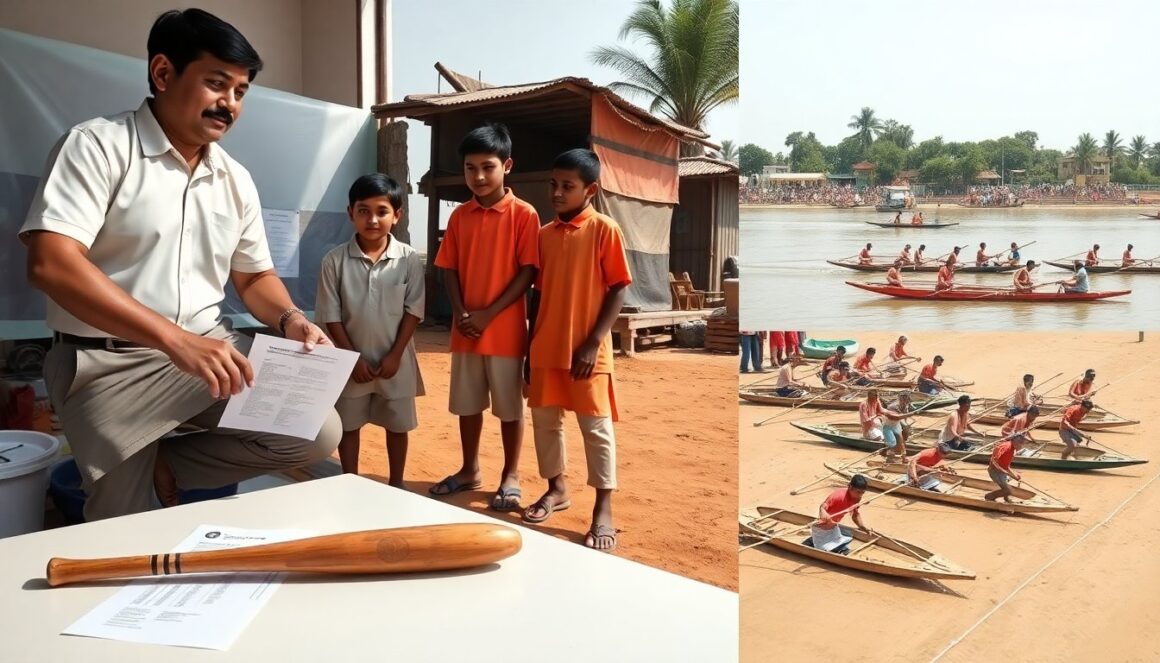
thegossipwire indigenous sports bangladesh highlights games that shape local life. This guide explains traditions, rules, and current efforts to keep games alive. It gives clear examples and practical ways communities and visitors can help. It aims to inform readers about cultural value and the paths for revival.
Key Takeaways
- Thegossipwire indigenous sports Bangladesh embody cultural heritage, connecting generations through traditional games and community gatherings.
- Iconic indigenous sports like Kho-kho, Lathi khela, Nouka baich, and Kabaddi develop practical skills while reinforcing regional identity and local pride.
- Urbanization and modern sports challenges threaten these games, but preservation efforts involving documentation, media coverage, and community centers are helping sustain them.
- Policy support including cultural protection listings, funding for local facilities, and inclusion in school programs can enhance growth and safety of indigenous sports.
- Communities and visitors play vital roles by organizing events, supporting youth training, attending matches, and promoting indigenous sports through storytelling and tourism.
- Thegossipwire indigenous sports Bangladesh offer authentic cultural experiences and opportunities for economic development through festivals and media exposure.
Why Indigenous Sports Matter in Bangladeshi Culture
Thegossipwire indigenous sports bangladesh appear across villages and towns. They link generations and teach local history. Elders pass rules and songs to youth. Families gather for matches and local markets. Players show skill and local pride. Festivals time matches and create income for vendors. Local schools sometimes include basic training in community events. Regional identity strengthens when teams represent a union or upazila. Anthropologists note that these games record social change and local values. Tourists find authentic experiences when they attend matches. Media coverage can boost local interest and funding. Local leaders can organize leagues and provide basic safety gear. Nonprofits partner with village committees to train referees and preserve oral rulebooks. When communities invest time, young people gain focus and movement skills. Thegossipwire indigenous sports bangladesh deserve attention in national conversations about culture and sport. Policy makers can list some games for cultural protection. Funding can then support local facilities and archival projects.
Iconic Indigenous Sports and How They’re Played
Thegossipwire indigenous sports bangladesh include several distinct games. Kho-kho appears in many districts. Teams sit and chase across a marked field. Chasers tag runners with quick sprint and turn. Lathi khela uses bamboo sticks. Players use sticks for display and non-lethal contest. Competitors show balance, timing, and controlled strikes. Nouka baich appears along rivers and requires strong rowing teams. Boats line up and row to a finish. Spectators cheer from riverbanks. Gulli danda uses a wooden stick and a small piece of wood. Players hit and run in short bursts. Kabaddi variants include strength and breath-hold tactics. Players raid and return while the defenders hold them. Bull racing appears in some farming communities. Owners guide oxen teams over short courses. Local rules vary by area and season. Many games use simple equipment that villagers craft. Local artisans carve bats and mend boats. Festivals time tournaments after harvest and during public holidays. Schools sometimes adapt rules for youth safety. Media outlets and thegossipwire indigenous sports bangladesh articles help share rules with wider audiences. Regional champions gain local fame and often teach the next generation. Coaches focus on stamina, footwork, and respect for opponents. These sports train practical physical skills that support daily work and communal tasks.
Threats, Preservation Efforts, and the Policy Landscape
Thegossipwire indigenous sports bangladesh face pressure from urbanization and modern sport culture. Young people favor national and international sports for money and fame. Land loss reduces local playfields. Weather and river change affect water sports. Safety concerns and lack of formal recognition limit growth. Preservation groups document rules and film matches. Local museums collect equipment and oral histories. Universities run small projects to study and archive play styles. Some municipalities create community centers for practice. National sports councils list a few traditional games for grants. These grants fund training and small tournaments. Private sponsors occasionally fund festivals and prize money. Thegossipwire indigenous sports bangladesh coverage helps attract sponsors and tourists. Policy makers can expand support through simpler registration and small maintenance funds. Legal protection can ensure that match sites stay public and accessible. Schools can add short modules on local games to physical education. Media partnerships can run seasonal features that raise awareness and attendance. When preservation groups work with officials, they can secure modest budgets for equipment and referee training.
How Communities and Visitors Can Support Revival
Communities can create local committees for event planning and safety. They can record rules and train referees. They can run youth programs and pay local coaches small stipends. Villages can host small festivals and invite nearby communities. Visitors can attend matches and buy local food and crafts. Visitors can donate small sums to equipment funds. They can share stories and photos with permission to boost interest online. Tour groups can include village matches in itineraries and pay entrance fees. Journalists can report accurately and credit local organizers. NGOs can fund workshops for coach training and first aid. Schools can schedule regular play and maintain small fields. Local governments can set aside microgrants for annual tournaments. When communities and visitors act together, they create steady income and cultural pride. Thegossipwire indigenous sports bangladesh will then have clearer paths to survive and grow. Cultural continuity will help young people keep skills and local knowledge alive.
