
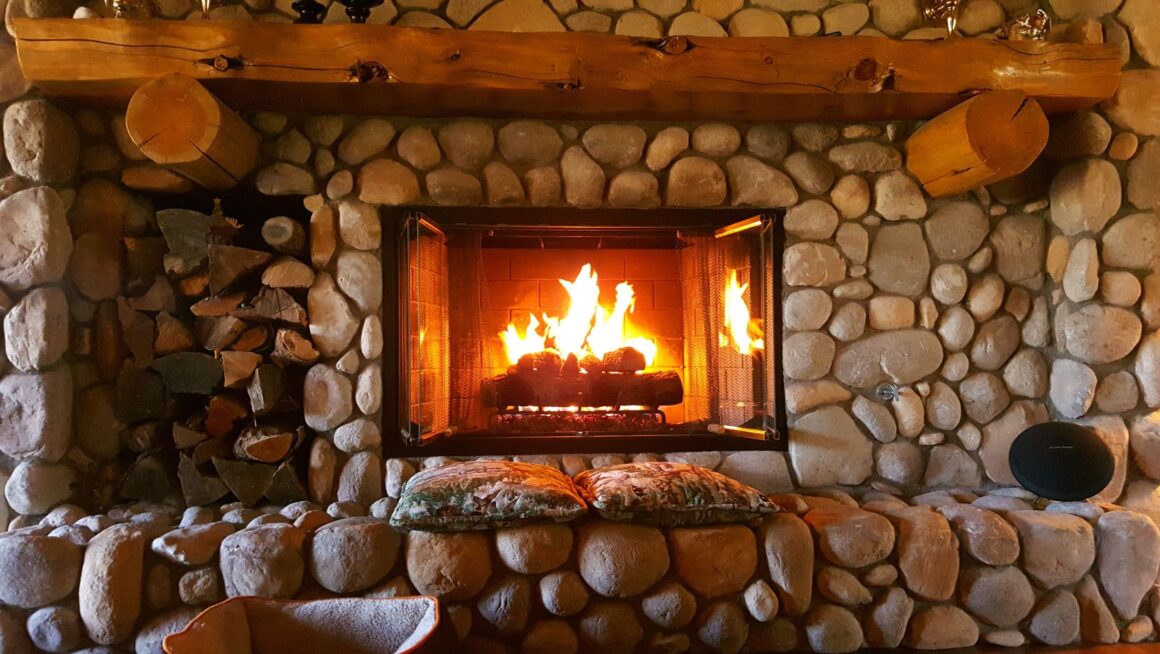
With the cold weather upon us, a great heater can make or break our comfort. A run-down or broken-down furnace can be uncomfortable and increasingly pricey. Knowing when to retire this important appliance will help to keep the home warm and functioning efficiently.
Increased Energy Bills
An early sign that your furnace is not working properly is if you notice an increase in your energy costs. Over time, furnaces become less efficient, requiring more fuel to maintain the same temperature in a room. That leads to higher utility bills. One way to determine if your heating system is working overtime is by tracking energy usage. Homeowners should consider furnace replacement when rising energy bills signal declining efficiency.
Frequent Repairs
Furnaces can last many years even with regular maintenance performed, but if you find yourself repairing your furnace over and over again, you may be looking at a bigger problem. For those with an aging or antique heating or cooling system, frequent and costly repair bills may be better spent on replacing your current unit. Frequent breakdowns are not just an expensive affair but can also disrupt comfort at home.
Uneven Heating
When a furnace works as it should, it distributes heat evenly throughout the house. If some rooms are colder than others, the furnace may be working very hard. Ductwork problems or an improperly sized unit can cause uneven heating. Such issues usually indicate that a certain replacement can restore steady heat.
Strange Noises
When you hear strange noises coming from your furnace, it’s usually a reason for alarm. If you hear rattling, banging, or squealing sounds, it is a sign that a worn-out part or structure needs attention. Some noises can be benign, but repeated sounds can signal the need for a professional evaluation. They can determine whether repairs can fix the problem or if replacing the furnace is a better option.
Age of the Furnace
Furnaces typically last between 15 and 20 years. At this age, it is less efficient and less pleasant to function. Your old unit will break down more frequently and will not meet modern energy standards. A newer model will be more efficient and is likely to have features that older units do not.
Poor Air Quality
An aging heater might contribute to the poor air quality in your home. Over time, dust, dirt, and other particles can accumulate in the system, circulating throughout the house. It can also cause respiratory problems and allergies. In newer models, higher features are typically provided, which help enhance air quality and create a healthier living environment.
Visible Signs of Wear
Obvious evidence of physical deterioration is also a sign that a furnace should be replaced. Signs of age: Cracks, rust, or corrosion indicate that the unit is likely past its useful lifespan. Such signs affect not just efficiency but also safety. By regularly checking the furnace, this type of fault can be discovered early.
Short Cycling
Short cycling occurs when a furnace cycles on and off at a higher frequency than necessary. A bad thermostat or insufficient airflow through the system can cause this sequence of events. Increased system wear and tear: The system wears out more quickly, leading to premature failure due to excessive short cycling. The sooner you address this problem, the better, before it worsens.
Inconsistent Thermostat Settings
The furnace is not working properly if the thermostat is constantly changed to maintain comfort. In this type of system, one or more components are not operating as efficiently as they should. If your system struggles to keep the thermostat setting, you’ll end up feeling uncomfortable. A newer model guarantees quick and responsive temperature calibration.
Carbon Monoxide Leaks
The most important thing with any heating system is Safety. An old furnace might risk leaking carbon monoxide. The Symptoms are: a yellow flame instead of blue, and a strong smell of gas. You can install carbon monoxide detectors to monitor this risk, but the safest solution is to replace an old system.
Conclusion
When your furnace starts to malfunction, recognizing the signs will help you make an informed decision about when to call for repair. Although regular upkeep can prolong its lifespan, it will eventually need to be replaced. A new furnace can increase comfort, safety, and efficiency. Homeowners should evaluate their current system to determine if a replacement can help make their home more efficient. If you keep these signs in mind, they can help you maintain warmth and coziness during winter.