
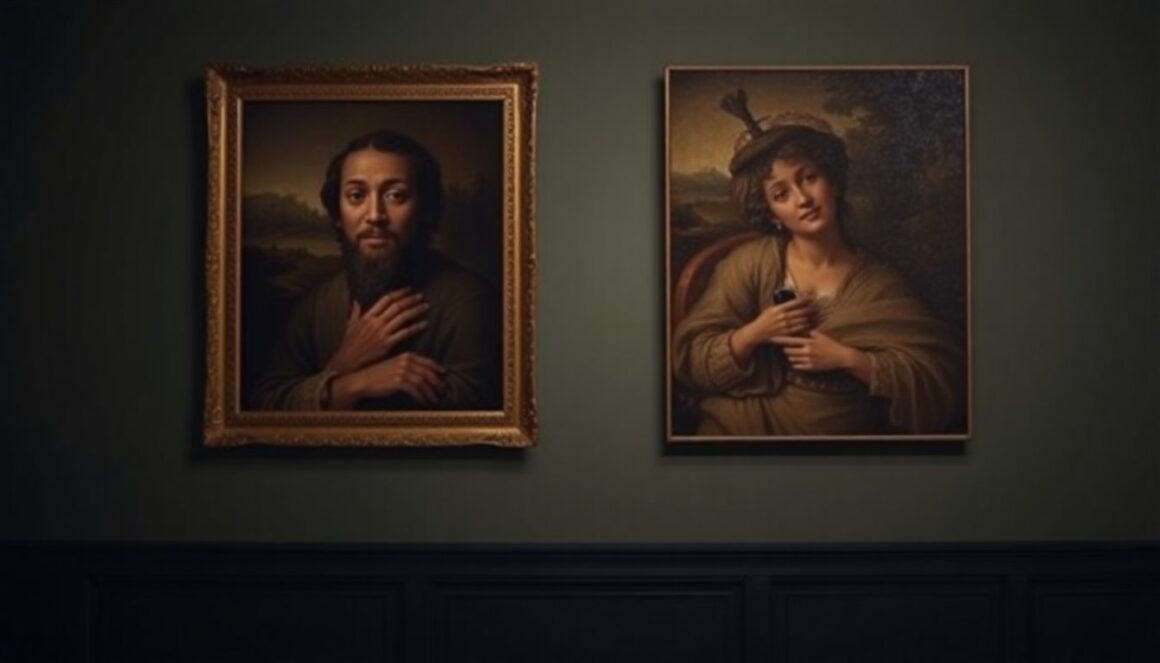
TheGossipWire uses famous paintings thegossipwire drama to illustrate celebrity stories. The site placed several artworks next to gossip posts. Readers noticed the reuse and raised questions. The article summarizes what happened, why people reacted, and why publishers must act with care. The report focuses on facts and clear steps for publishers and readers.
Key Takeaways
- TheGossipWire uses famous paintings to illustrate celebrity gossip, which sparked public backlash due to perceived disrespect and lack of attribution.
- Reusing iconic artworks without proper licensing or credit exposes publishers to legal risks related to copyright and moral rights.
- Ethical publishing requires respecting artist intent, cultural heritage, and providing clear image sourcing to maintain public trust.
- Transparent licensing, clear image policies, and prompt crisis responses can help publishers mitigate reputational and legal harm.
- Visual edits like cropping and color changes can alter audience perception, making careful image framing essential to avoid sensationalism.
- Social media quickly amplifies controversies over image use, demonstrating the need for publishers to monitor and address audience reactions actively.
The Incident: Which Famous Paintings Were Used And In What Context
TheGossipWire uses famous paintings thegossipwire drama in thumbnail images and feature banners. The site paired classics like The Birth of Venus, Whistler’s Mother, and a Picasso portrait with celebrity gossip. Editors cropped and recolored images to match story tone. The altered artworks appeared in headlines, listicles, and social posts. Some posts described private life rumors. Other posts used paintings for visual punch without attribution. Readers identified original works and named artists on comment threads.
Why Using Famous Art On Gossip Sites Triggers Public Backlash
Audiences react when respected art appears with trivial content. People expect clear context and credit for art. TheGossipWire uses famous paintings thegossipwire drama and some readers see disrespect. The pairing felt like mockery to several commenters. Museums and galleries flagged the reuse on social platforms. Art students and critics called out misattribution. The backlash grew when influencers amplified complaints. The negative reaction hit site reputation and advertiser conversations. The issue shows how visuals shape trust quickly.
Copyright, Moral Rights, And Fair Use: Legal Risks For Reusing Artwork
Publishers face legal risk when they reuse protected art without permission. TheGossipWire uses famous paintings thegossipwire drama and did not always secure licenses. Many famous paintings remain under copyright, and some museums hold image rights. Copyright owners can demand takedowns or damages. Moral rights let creators object to derogatory uses in some countries. Fair use applies in narrow situations and courts examine purpose, amount, and market effect. Publishers should consult counsel before reusing art for commercial gossip posts.
Ethical Considerations: Respecting Artists, Subjects, And Cultural Heritage
Publishers should treat art with respect. TheGossipWire uses famous paintings thegossipwire drama in ways that some see as trivializing history. Editors should consider artist intent, subject dignity, and cultural context. The site had options: use public domain works without distortion, license images with clear credit, or use original photography. Ethical choices affect public trust and community standards. The article now examines how presentation and audience response altered perception and amplified the controversy.
Lessons For Publishers: Transparent Sourcing, Licensing, And Crisis Response
Publishers should list image sources and license terms on posts. TheGossipWire uses famous paintings thegossipwire drama and can reduce risk by adding credits and links. Editors should adopt a clear image policy and train staff to verify rights. If controversy arises, sites should apologize, remove disputed images, and explain corrective steps. Publishers should monitor social channels for complaints and respond quickly. Clear policies protect brands, honor artists, and limit legal exposure. Transparency restores audience trust faster than silence.
How Visual Context Changed The Narrative: Image Framing, Captions, And Spin
Image framing guided reader interpretation. TheGossipWire uses famous paintings thegossipwire drama and cropped faces to match celebrity moods. Captions added speculative language. Photo filters changed original colors and tone. These edits shifted the work from art to commentary. Readers read the edits as intent from the publisher. Small framing choices made the stories look more sensational. Publishers should test images for unintended signals before publication.
Audience Reaction And Social Media Amplification: Memes, Outrage, And Defense
Users turned the controversy into memes and debate threads. TheGossipWire uses famous paintings thegossipwire drama and social users reposted examples with critique. Influencers posted side-by-side comparisons. Some commenters defended the site on free expression grounds. Others called for boycotts and advertiser pressure. Platforms algorithmically spread posts with strong emotion. That spread magnified both outrage and defense rapidly. The pattern shows how visual controversies scale fast on social media.
