
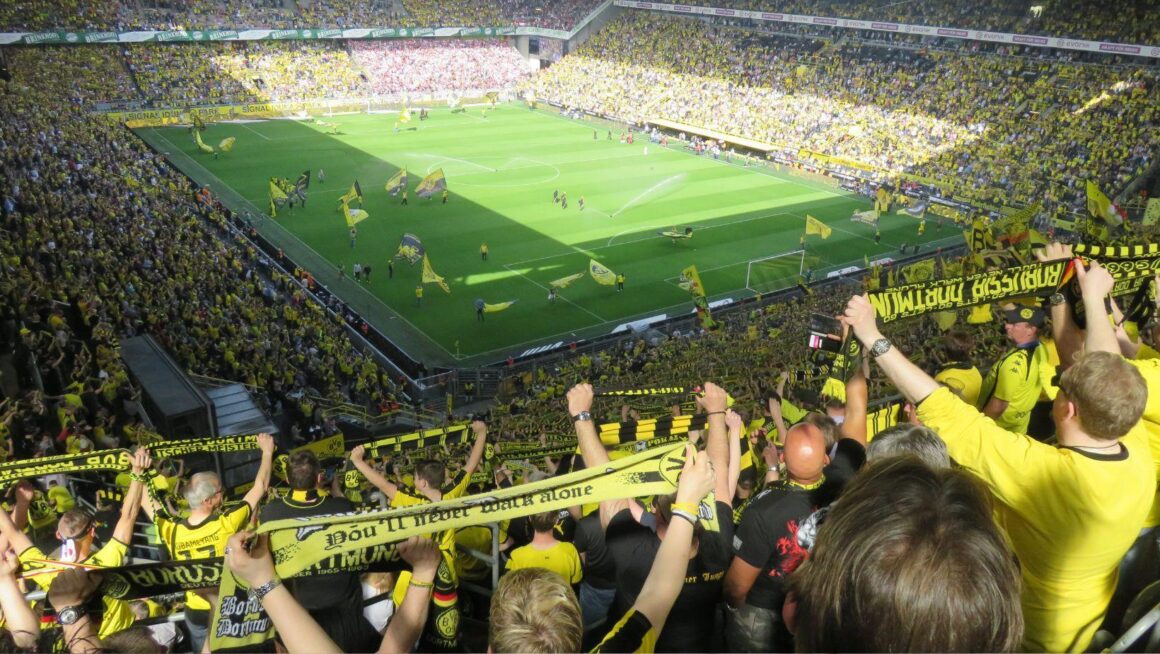
A sold-out stadium looks like the financial heart of a football club, yet matchday income rarely dominates the balance sheet. For most professional teams, gate receipts account for a modest share of annual revenue.
The reason is simple. A stadium has fixed seating and roughly twenty home fixtures a season, while broadcasting deals, sponsorship and retail scale with the size of the audience rather than the building.
Fan attention is the underlying asset, measured across screens as much as turnstiles. Sports media platforms and statistics portals, among them париматч, form part of the ecosystem through which supporters follow clubs between fixtures.
The modern revenue mix
The revenue mix of a top-tier club typically splits into three broad categories, with matchday income usually the smallest of them:
|
Revenue stream |
How it works |
Trend |
|
Broadcasting |
Leagues sell rights collectively or individually |
Dominant but flattening |
|
Commercial |
Sponsorship, kit deals, licensing |
Growing fastest |
|
Matchday |
Tickets, hospitality, food and drink |
Capped by stadium size |
|
Direct-to-fan |
Apps, subscriptions, memberships |
Small but growing |
Broadcasting: paid by fans indirectly
Television and streaming money originates with supporters, though it reaches clubs through intermediaries. Subscriptions fund the rights fees that leagues distribute among members, which is why kick-off times increasingly reflect overseas markets rather than local convenience.
Merchandising, licensing and retail
Shirt sales attract the most attention, though margins are thinner than supporters assume once manufacturing and licensing costs are deducted. The wider business covers training wear, museum entry, stadium tours and licensed products sold in markets the club will never visit.
Membership models: many clubs sell paid memberships bundling priority ticket access, discounts and digital content. The appeal is predictability: recurring revenue that arrives regardless of results.
Sponsorship and commercial partnerships
Commercial deals have overtaken matchday income at almost every large club. Shirt fronts, sleeves, naming rights and regional partnerships are sold separately, often to different companies. Betting operators became prominent sponsors here, and a Canadian sportsbook may appear on advertising boards in leagues far from its home market.
Regulatory context: sports betting in Canada changed after single-event wagering was legalised federally in 2021 and Ontario opened a regulated online market. Advertising rules for such partnerships remain under debate in several jurisdictions.
Matchday income beyond the ticket
The stadium earns well past the printed ticket price. Hospitality boxes, catering, parking and premium seating often produce more per visitor than general admission, which is why new stadium projects prioritise concourse and corporate space as much as capacity.
Digital products and the fan token debate
Clubs increasingly sell access rather than objects: streaming passes, archive libraries and app subscriptions. Fan tokens, marketed as a way to vote on minor decisions, belong to the same category but have drawn criticism from supporter groups and regulators over volatility and weak consumer protections.
Where the money actually comes from
- Supporters who buy subscriptions to watch matches at home.
- Customers of sponsors, whose spending funds those deals.
- Overseas audiences who never attend a fixture in person.
How to verify club finances
Published accounts remain the most reliable source. Clubs in most European leagues file annual reports, while Deloitte’s Football Money League compiles comparable revenue figures. Transfermarkt documents transfer and contract data, which puts spending decisions in context.
Frequently asked questions
Does a bigger stadium guarantee higher revenue? Not necessarily. Broadcasting and commercial income usually outweigh matchday earnings, and expansion carries heavy debt costs.
Why do clubs tour overseas in pre-season? Tours generate appearance fees and open commercial markets, which is why the Canadian Football League model of regional focus differs from European strategy.
Are ticket prices rising because of this? Prices depend on demand and local competition; several clubs froze general admission while raising hospitality rates.
The bottom line
Modern football clubs monetise attention rather than attendance. Tickets still fill the stands that make broadcasts valuable, but the financial architecture rests on broadcasting rights, commercial partnerships and digital products sold directly to supporters wherever they live.
