
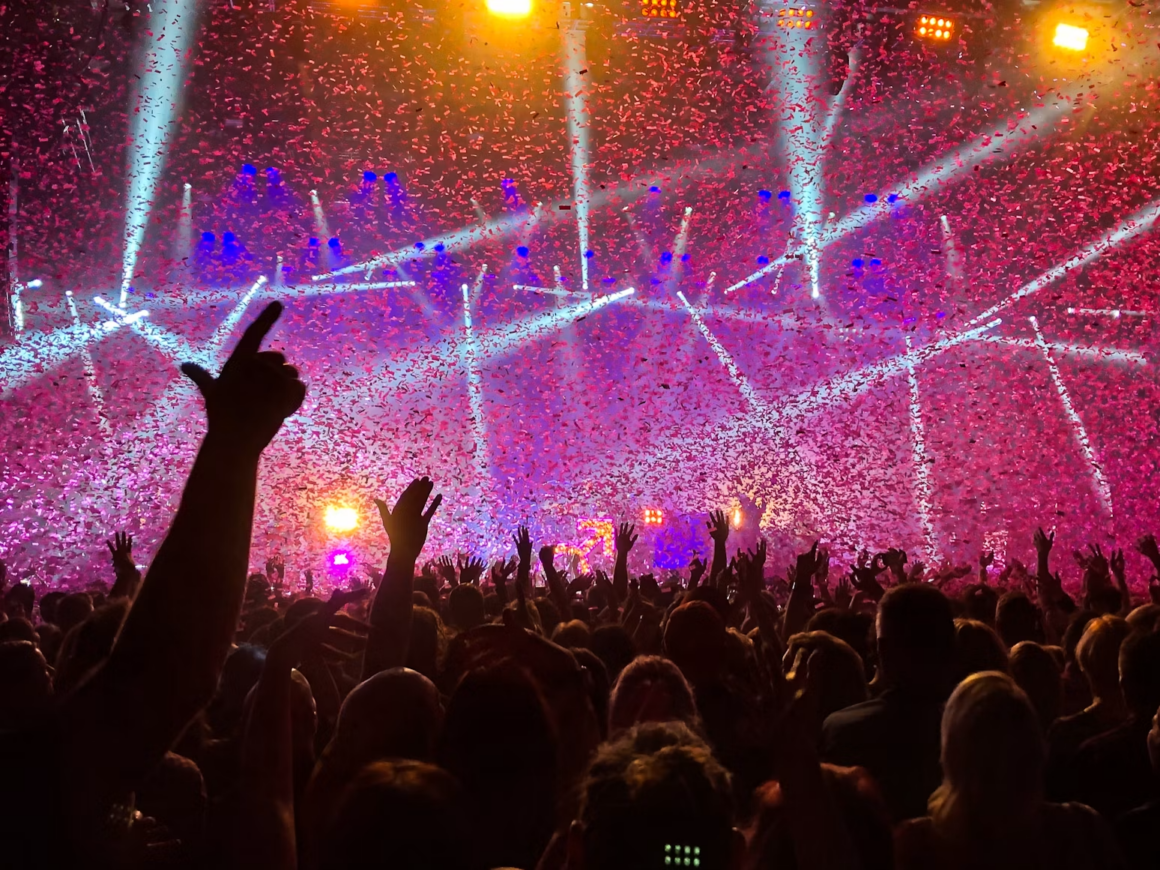
Summer live music can mean 60,000 people singing in a stadium, an all-day festival or a band playing an outdoor venue small enough to see the stage without a screen. Choosing between them is easier when the venue, travel and length of the event matter as much as the artist.
Choosing a Summer Concert
Start with the dates you can realistically attend and the distance you are prepared to travel. When several shows fit the same month, checking current concert tickets by artist, venue and location helps narrow the options to events that suit those plans. The page covers individual concerts across genres including pop, rock, hip-hop, electronic music, K-pop and classical music, so the comparison does not have to begin with one particular style.
Then look beyond the ticket itself. A cheaper show in another country can become the more expensive weekend once flights, accommodation and airport transfers are added, while a higher-priced local ticket may require little more than public transport home.
Stadium, Arena or Festival?
A stadium tour is built for scale. Large stages, extensive production and huge crowds suit artists whose shows are designed as major events, while arena concerts usually keep the production level high in a more contained space.
Festivals work differently because one ticket can cover several artists and many hours of music. Smaller outdoor venues offer another option, particularly for listeners who care more about proximity and atmosphere than a giant production.
The scale of touring remains substantial. The August Pollstar ranking published by AP ranked tours by average box-office gross per city and also reported average ticket prices. Chris Brown and Usher, Bad Bunny, Noah Kahan, Bruce Springsteen & The E Street Band and Iron Maiden were among the top five in the August 7 list.
How to Choose Between Several Shows
Two concerts in the same month can require completely different budgets and schedules. Before booking both, calculate what each event actually takes from the day rather than comparing ticket prices alone. A useful check covers:
- ticket price and seating or standing area;
- train, fuel or flight costs;
- accommodation if returning home is unrealistic;
- food, local transport and venue storage rules;
- how much time the trip requires before and after the show.
This often makes the choice clearer. A nearby arena concert can fit into one evening, while a festival may effectively become a two or three-day trip once travel and recovery time are included.
Summer also offers plenty beyond the largest pop tours. Rock shows, electronic events, K-pop dates, country concerts and outdoor classical performances can fill the same calendar, giving people more ways to build a month around music they actually listen to.
What to Take to an Outdoor Concert
Heat changes what is useful inside a venue. Check the organiser’s rules before packing because policies on bottles, bags and refillable containers vary, then plan around shade, sunscreen and access to drinking water.
Hearing protection deserves a place beside those basics. The World Health Organization advises that the risk of hearing damage rises with both sound level and exposure time, which is especially relevant at loud concerts and festivals. Properly fitted earplugs can reduce the sound reaching the ear while keeping the music clearly audible.
Planning the Summer Music Season
A good summer concert plan does not need ten bookings. One stadium show, a festival day and a smaller outdoor performance can produce three completely different experiences without turning every weekend into a trip.
Choose the format first, calculate the full cost and check practical details before the day arrives. That leaves more of the evening for the reason the ticket was booked in the first place: hearing the music live.
Another factor is timing. Weeknight concerts may be easier to fit around work, while Friday and Saturday shows often make longer travel more realistic. For festivals, check set times early once they are released, especially if several favourite artists appear on different stages and moving between them takes time.
